

Go ahead and learn AI. Seriously - please do. Understand how to use it, how to prompt it, how to make it work for you. That's table stakes at this point and I'm not here to talk you out of it.
But I need you to hear this: if you're spending all your energy up-skilling in AI and none of it on your people skills, you are building a career on a shaky foundation.
I say this as a career coach. And as someone who spent years as a recruiter, sitting in hiring rooms, watching decisions get made.
Here's what I saw over and over: when it came down to two candidates and we had to choose, we almost always chose the person with the people skills. The one who could communicate, who could read a room, who clearly knew how to navigate a tough conversation or a difficult personality. Technical skills can be taught. The other stuff is a lot harder to develop after the fact.
The Skills That Are Actually Going to Matter
We don't know exactly where AI is going. But we do know that human skills are here to stay - and that employers are going to be looking for them more, not less, as everything else gets automated.
I'm talking about things like:
Communication - real, clear, direct communication. Not just writing well. Talking to people. Listening. Reading what's not being said.
Conflict management. Actually dealing with it instead of avoiding it. Finding a path through instead of hoping it goes away.
Navigating different personalities and business cultures. Not everyone thinks like you, works like you, or communicates like you. The people who can flex and still get things done? They're invaluable.
Managing up. Building trust with the people above you. Making yourself easy to sponsor, not just easy to manage.
Resilience. The ability to take a hit - a hard feedback conversation, a restructure, a project that blew up - and come back from it without falling apart.
These are not soft skills. I actually hate that term. These are power skills. And they are very much the difference between someone who performs and someone who just shows up.
How Do You Actually Build Them Though?
This is where I want to get practical, because "develop your soft skills" is advice that sounds good and means nothing.
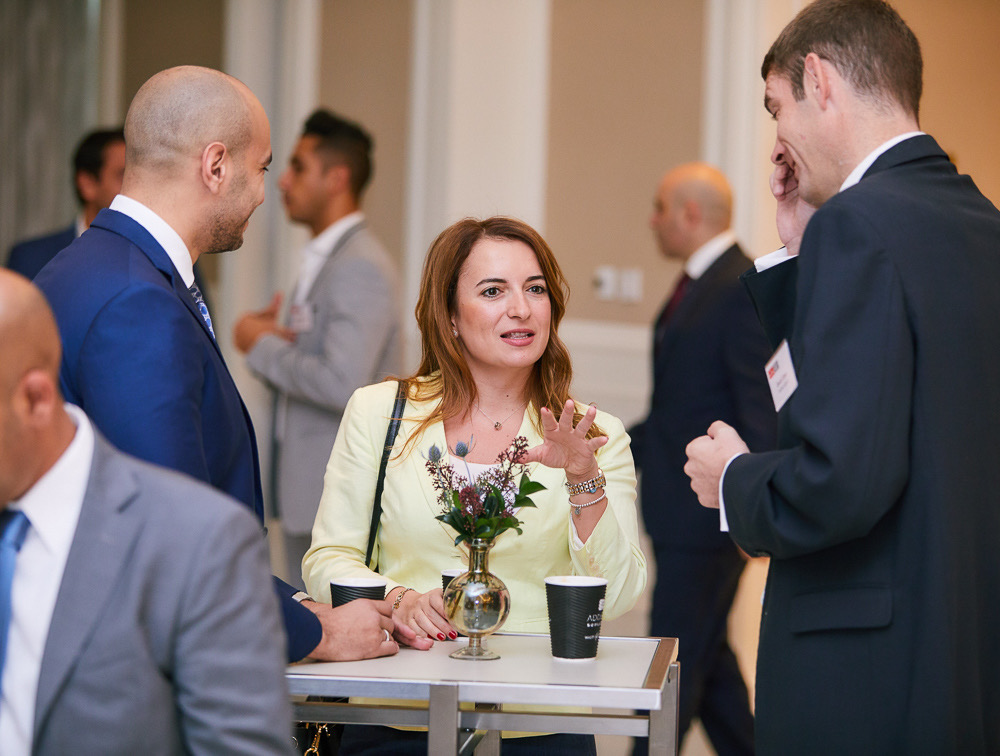
Start networking - and I mean really networking, not just collecting LinkedIn connections. Go to events. Introduce yourself to people you wouldn't normally gravitate toward. Get comfortable walking into a room where you don't know anyone and starting a conversation. Every single time you do that, you're building a muscle.
Stop avoiding conflict. If your default is to dodge difficult conversations, I need you to check that instinct. You don't have to go looking for fights - but when something comes up that needs addressing, address it. Figure out how to have that conversation in a way that's productive instead of just hoping the situation resolves itself. It usually doesn't.
Get physically uncomfortable on purpose. This one might sound unrelated but it really isn't. Push yourself at the gym. Try a new fitness class where you don't know what you're doing. Join a sport or activity where you're the beginner. When you train your body to push through discomfort, you're also training your mind. And when you're faced with an uncomfortable situation at work, that mental muscle is already there. Body and mind are connected. Use that.
Travel somewhere that stretches you. Summer is coming - if you have plans, great. If not, make some. It doesn't have to be expensive or far. Get out of your state. Get out of your usual environment. And if you can swing it, go somewhere where people don't speak your language. There is no faster way to get comfortable with being uncomfortable than navigating a foreign place where you have to figure things out without your usual shortcuts.
The Balance Is the Point
I am not anti-AI. I use it, I think about it constantly, and I genuinely believe it's going to reshape how we work in ways we can't fully predict yet.
But that unpredictability is exactly the argument for doubling down on the things that don't change. The ability to connect with people. To handle hard situations. To communicate clearly under pressure. To be someone others actually want to work with.
No algorithm is replacing that anytime soon.
Invest in AI literacy. And invest equally - maybe more - in becoming someone who can work well with humans. That combination is genuinely rare, and right now, it's your biggest competitive edge.
If you're not sure where your gaps are or what to work on first, start with my free Career Clarity Quiz - it's a good way to get an honest read on where you actually stand.
Take it here: QUIZ
And if you want to talk through what this looks like for your specific career, book a free 15-minute call. I'd love to help you think it through.
Book here
About the Author
Elena Agaragimova is a DC-based career coach, speaker, talent development expert, and ex-recruiter. With a background in recruiting and talent development, she works with professionals who want to perform at their best without burning out. Learn more at elenaagar.com.
But I need you to hear this: if you're spending all your energy up-skilling in AI and none of it on your people skills, you are building a career on a shaky foundation.
I say this as a career coach. And as someone who spent years as a recruiter, sitting in hiring rooms, watching decisions get made.
Here's what I saw over and over: when it came down to two candidates and we had to choose, we almost always chose the person with the people skills. The one who could communicate, who could read a room, who clearly knew how to navigate a tough conversation or a difficult personality. Technical skills can be taught. The other stuff is a lot harder to develop after the fact.
The Skills That Are Actually Going to Matter
We don't know exactly where AI is going. But we do know that human skills are here to stay - and that employers are going to be looking for them more, not less, as everything else gets automated.
I'm talking about things like:
Communication - real, clear, direct communication. Not just writing well. Talking to people. Listening. Reading what's not being said.
Conflict management. Actually dealing with it instead of avoiding it. Finding a path through instead of hoping it goes away.
Navigating different personalities and business cultures. Not everyone thinks like you, works like you, or communicates like you. The people who can flex and still get things done? They're invaluable.
Managing up. Building trust with the people above you. Making yourself easy to sponsor, not just easy to manage.
Resilience. The ability to take a hit - a hard feedback conversation, a restructure, a project that blew up - and come back from it without falling apart.
These are not soft skills. I actually hate that term. These are power skills. And they are very much the difference between someone who performs and someone who just shows up.
How Do You Actually Build Them Though?
This is where I want to get practical, because "develop your soft skills" is advice that sounds good and means nothing.
Start networking - and I mean really networking, not just collecting LinkedIn connections. Go to events. Introduce yourself to people you wouldn't normally gravitate toward. Get comfortable walking into a room where you don't know anyone and starting a conversation. Every single time you do that, you're building a muscle.
Stop avoiding conflict. If your default is to dodge difficult conversations, I need you to check that instinct. You don't have to go looking for fights - but when something comes up that needs addressing, address it. Figure out how to have that conversation in a way that's productive instead of just hoping the situation resolves itself. It usually doesn't.
Get physically uncomfortable on purpose. This one might sound unrelated but it really isn't. Push yourself at the gym. Try a new fitness class where you don't know what you're doing. Join a sport or activity where you're the beginner. When you train your body to push through discomfort, you're also training your mind. And when you're faced with an uncomfortable situation at work, that mental muscle is already there. Body and mind are connected. Use that.
Travel somewhere that stretches you. Summer is coming - if you have plans, great. If not, make some. It doesn't have to be expensive or far. Get out of your state. Get out of your usual environment. And if you can swing it, go somewhere where people don't speak your language. There is no faster way to get comfortable with being uncomfortable than navigating a foreign place where you have to figure things out without your usual shortcuts.
The Balance Is the Point
I am not anti-AI. I use it, I think about it constantly, and I genuinely believe it's going to reshape how we work in ways we can't fully predict yet.
But that unpredictability is exactly the argument for doubling down on the things that don't change. The ability to connect with people. To handle hard situations. To communicate clearly under pressure. To be someone others actually want to work with.
No algorithm is replacing that anytime soon.
Invest in AI literacy. And invest equally - maybe more - in becoming someone who can work well with humans. That combination is genuinely rare, and right now, it's your biggest competitive edge.
If you're not sure where your gaps are or what to work on first, start with my free Career Clarity Quiz - it's a good way to get an honest read on where you actually stand.
Take it here: QUIZ
And if you want to talk through what this looks like for your specific career, book a free 15-minute call. I'd love to help you think it through.
Book here
About the Author
Elena Agaragimova is a DC-based career coach, speaker, talent development expert, and ex-recruiter. With a background in recruiting and talent development, she works with professionals who want to perform at their best without burning out. Learn more at elenaagar.com.


